How long does it take to charge a Ford Kuga PHEV?
The charging time for a Ford Kuga PHEV (plug-in hybrid electric vehicle) depends on the size of the battery and the type of charging equipment being used. The Kuga PHEV has a 13.6 kWh battery, and the manufacturer states that it can be charged in around 7.5 hours using a 240-volt Level 2 charger. Using a 120-volt 3-pin socket, the charging time may be significantly longer, around 20 hours or more. It's also worth noting that the Kuga PHEV can be charged to 80% in around 30 minutes using a DC fast charger.
What type of EV charging connector do I need for a Ford Kuga PHEV?
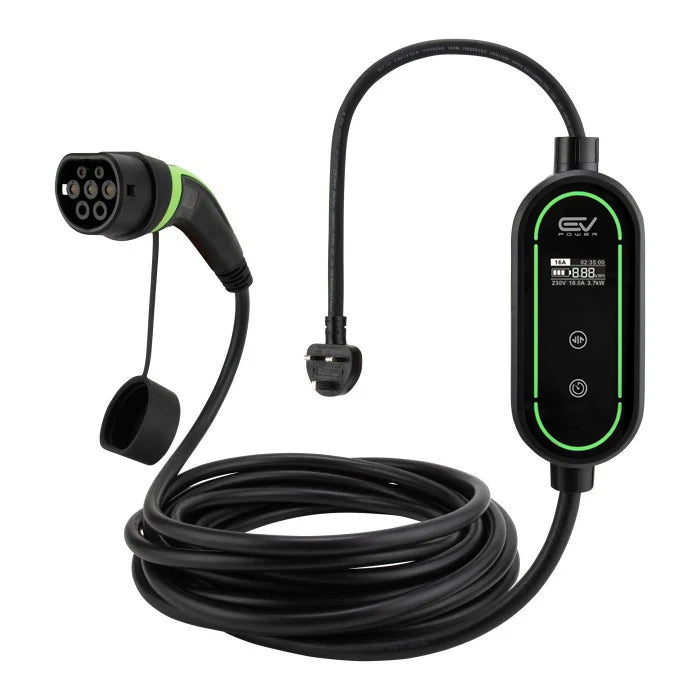
The Ford Kuga PHEV is equipped with a Type 2 (Mennekes) charging connector, which is commonly used for electric vehicles in Europe and other parts of the world. This connector is compatible with Level 2 charging stations, which use alternating current (AC) to charge the vehicle's battery. If you're using a home charging station or a public charging station, it's likely that it will have a Type 2 connector. Some charging stations may also have a Type 1 (J1772) connector, which is compatible with the Kuga PHEV through the use of an adapter.
It's worth noting that the Kuga PHEV is also equipped with a DC fast charging port, which allows the vehicle to be charged using direct current (DC) at a much faster rate than AC charging. The fast charging port is compatible with the CCS (Combined Charging System) connector, which is commonly used for DC fast charging in Europe and other parts of the world.